About Wayne Solar Panel Installations
Careful engineering and clear documentation define how Wayne Solar Panel Installations approaches every array, inverter, and battery cabinet we commission. Our crews plan production around real conditions here: shifting winter sun angles, wet spring snow loads on north-facing pitches, mature oak canopies that shade older colonials, and the mixed roof decking common across Wayne neighborhoods. That local reading of exposure and seasonal stress shapes racking layout, attachment flashing, string design, and the maintenance intervals we recommend. Heading through 2026, our focus stays on installations that hold up structurally and electrically for decades, verified with load calculations, torque checks, and a post-job walkthrough. Read on to learn how our team works and what we look for on Wayne properties.
Click Me to Call: (973) 922-9275Request a Consultation
Our Background
Background of Wayne Solar Panel Installations
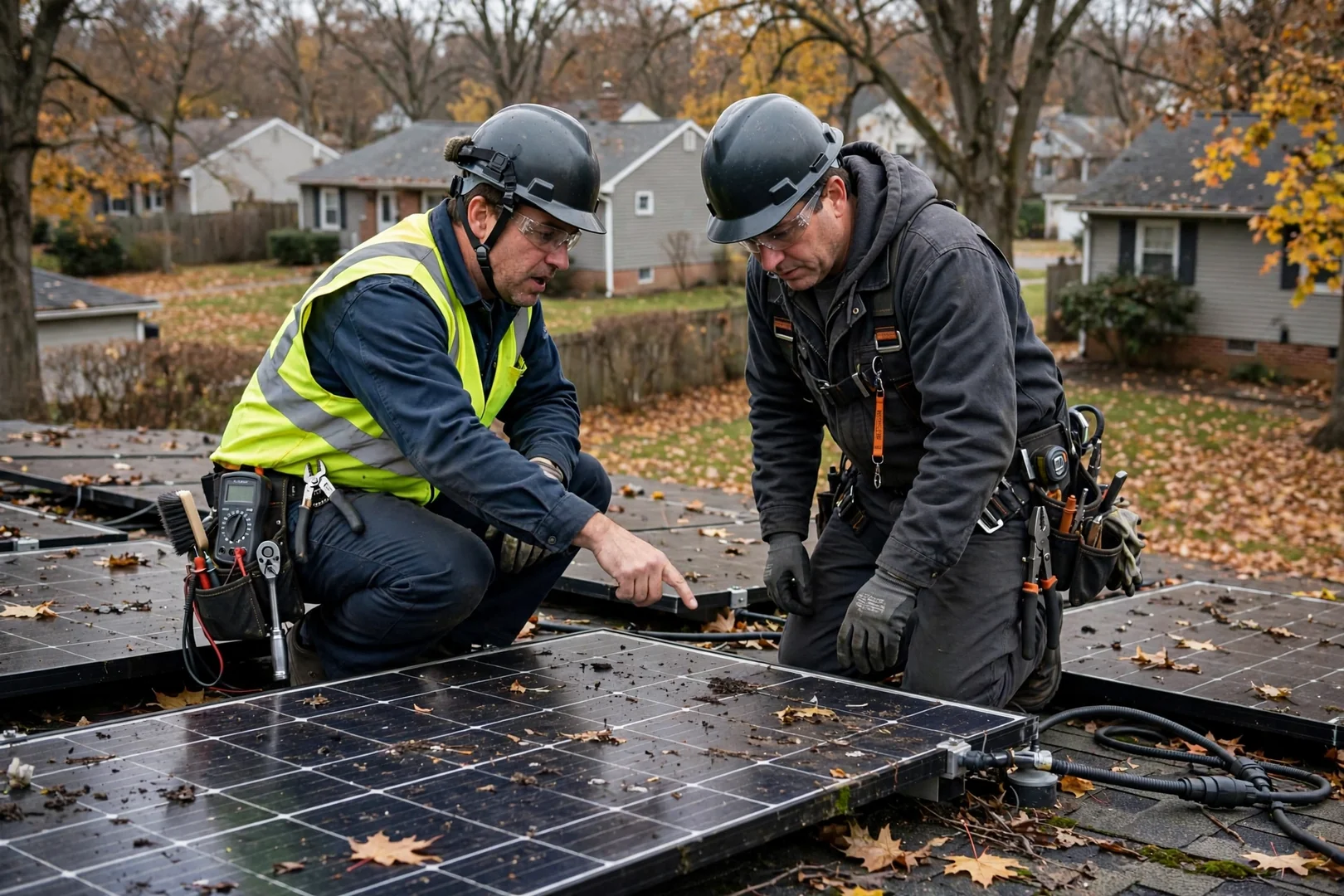
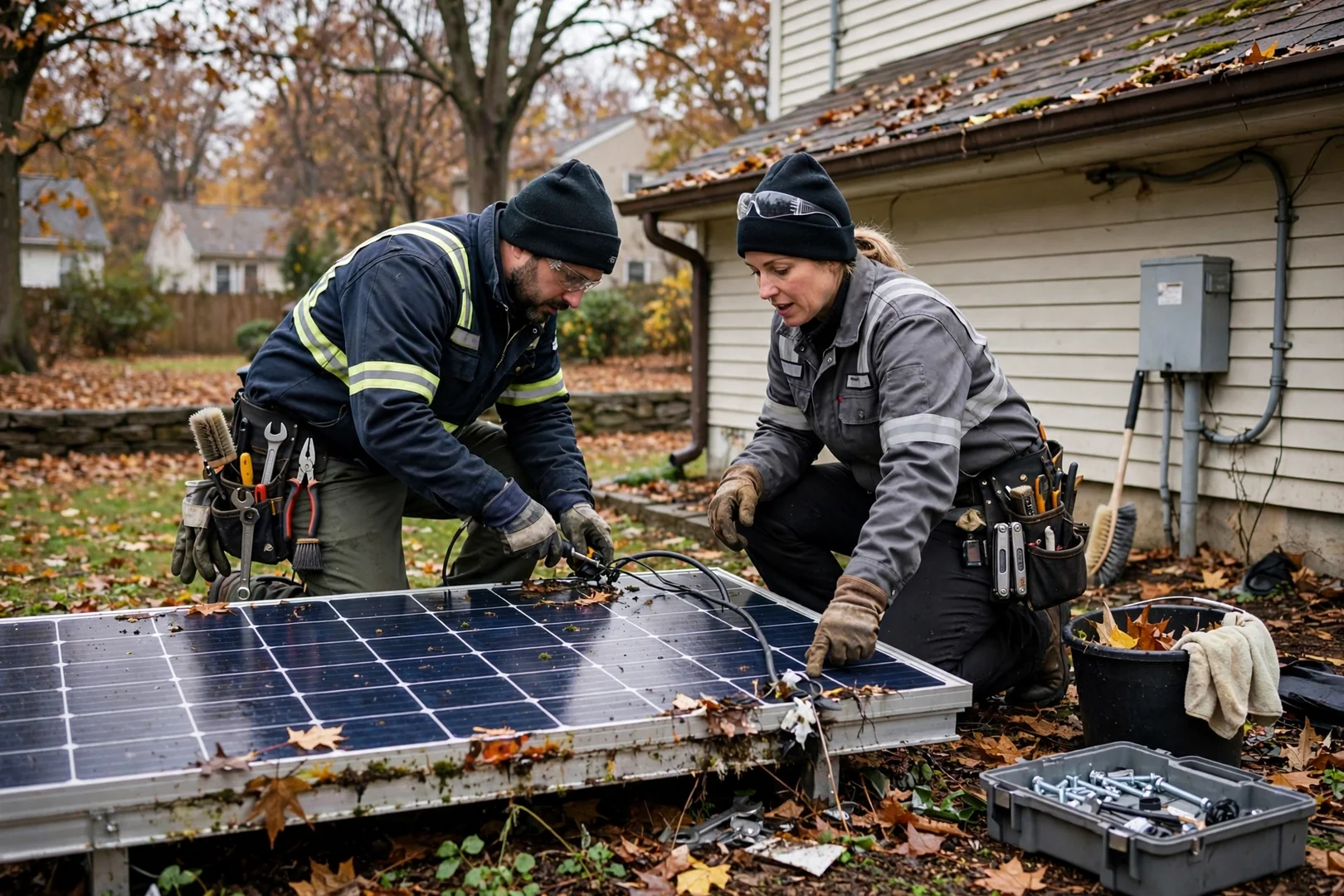
Field work shaped this company more than any business plan did. Years of roof-mounted and ground-mounted projects across northern New Jersey taught our technicians how humidity, freeze-thaw cycles, and heavy leaf debris affect module output, conduit runs, and rapid-shutdown components. Wayne homes range from mid-century ranches with limited south-facing pitch to larger split-levels and commercial rooftops with parapet edges and existing HVAC equipment, so string sizing, microinverter placement, and array orientation get decided property by property rather than from a template. Our attention to local environmental conditions came out of return visits, not marketing. We measure shading, inspect rafter spacing, and document interconnection details before quoting. In 2026, that same sequence guides residential, commercial, hybrid, and off-grid work throughout Wayne.
// Hands-On Wayne Experience //
What Experience Do We Bring to Wayne Properties?
How Are We Equipped for Wayne Properties?
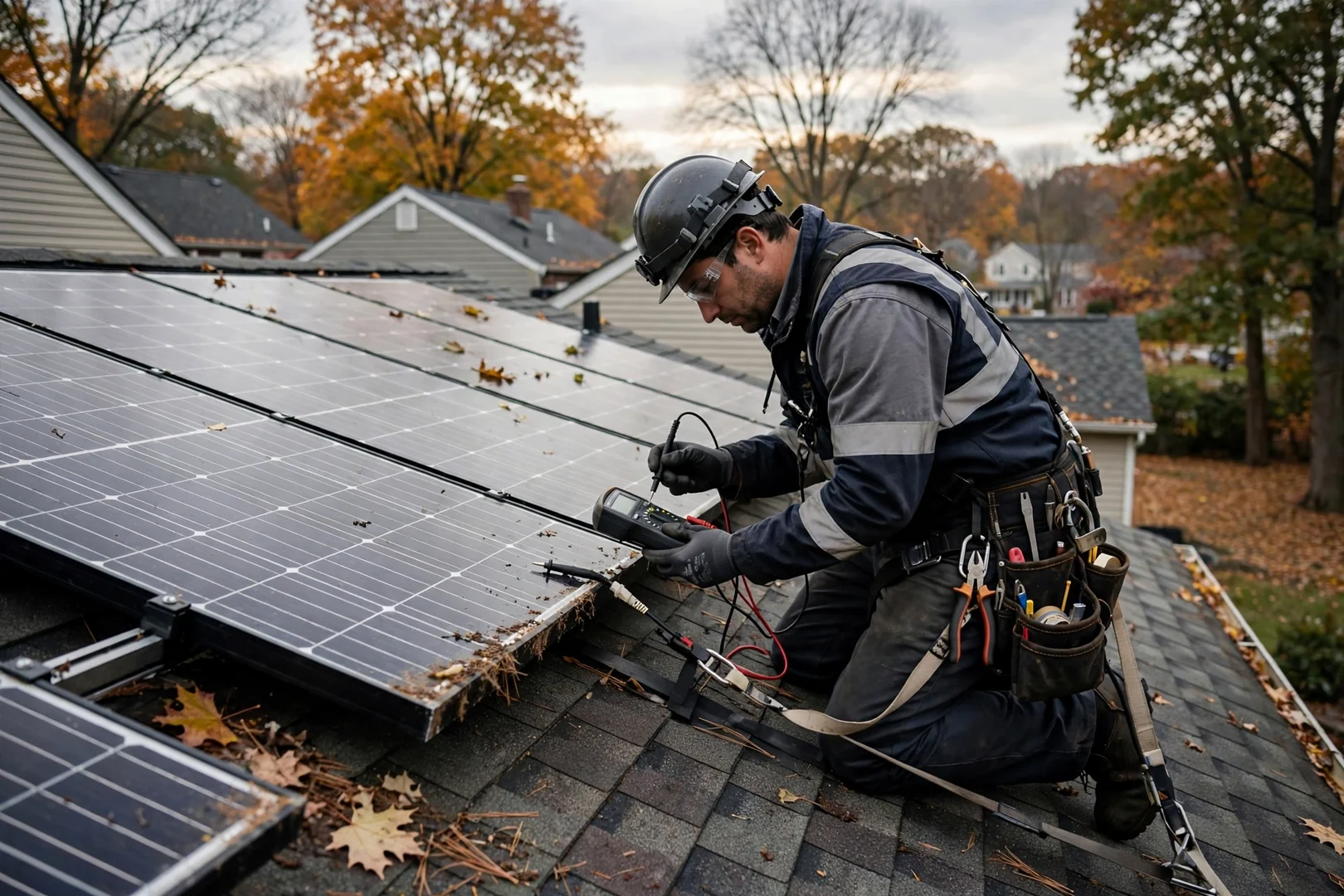
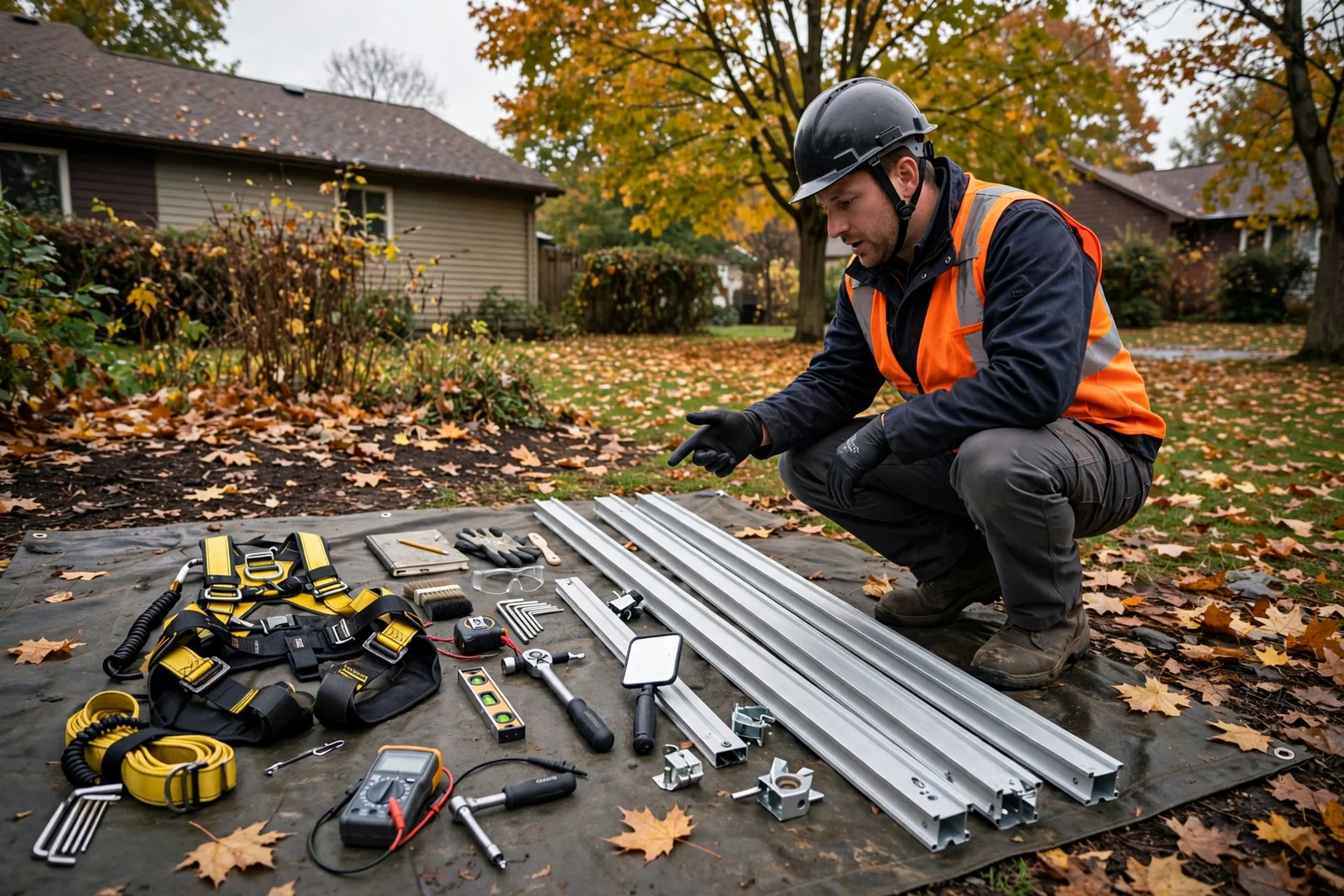
Wayne properties range from mid-century split-levels and colonials with asphalt shingle decking to newer builds and light commercial rooftops with membrane surfaces, and each roof type changes how mounting rails, flashing, and standoff spacing get planned. Humid summers, hard winter freeze-thaw cycles, and the mature tree canopy common on the north and west sides of town all affect array orientation, shading tolerance, and long-term racking integrity. Our crews arrive with irradiance meters, string voltage testers, insulation resistance testers, thermal imaging for hot-spot and bypass diode checks, plus fall-arrest harnesses and anchor systems matched to pitch. Every meter and tester is inspected before dispatch. Through the 2026 service season, tool calibration logs and harness inspections stay part of the standard pre-job routine so measurements taken on a shaded rear slope are as dependable as those on an open south-facing plane.
Site conditions in Wayne also dictate the ground-level equipment we bring. Low-lying parcels near the river flats hold moisture, so soil probes and auger depth checks guide footing design for ground-mounted arrays, while rocky upland lots often call for adjusted ballast planning. Technicians are trained on torque specification for rail hardware, correct conductor management, and rapid shutdown verification before any inverter is energized. Written measurements are recorded on site, and photo documentation supports the final commissioning report handed to the property owner.
Customer Commitment
What Can Wayne Customers Expect From Us?
Every project begins with a written estimate that separates equipment, racking, electrical work, and permitting so nothing appears later as a surprise line item. Arrival windows are confirmed in advance, and if a delivery or inspection schedule shifts, you hear it from us first. Crews protect gutters, siding, driveways, and planting beds while working, then complete a post-job walkthrough that covers inverter status, monitoring access, and rapid shutdown location. Photos of the mounting points, flashing, and conductor runs are documented and shared. That record matters here.
Wayne homes sit under heavy tree cover, take on wet spring conditions, and face freeze-thaw stress that gradually loosens hardware and dulls module output, so our follow-through includes practical guidance on inspection timing rather than a generic schedule. Heading into 2026, we continue to explain how seasonal leaf drop, pollen film, and winter ice loading influence production numbers on your monitoring app, and we answer maintenance questions after the invoice is closed.
Request a Written Estimate (973) 922-9275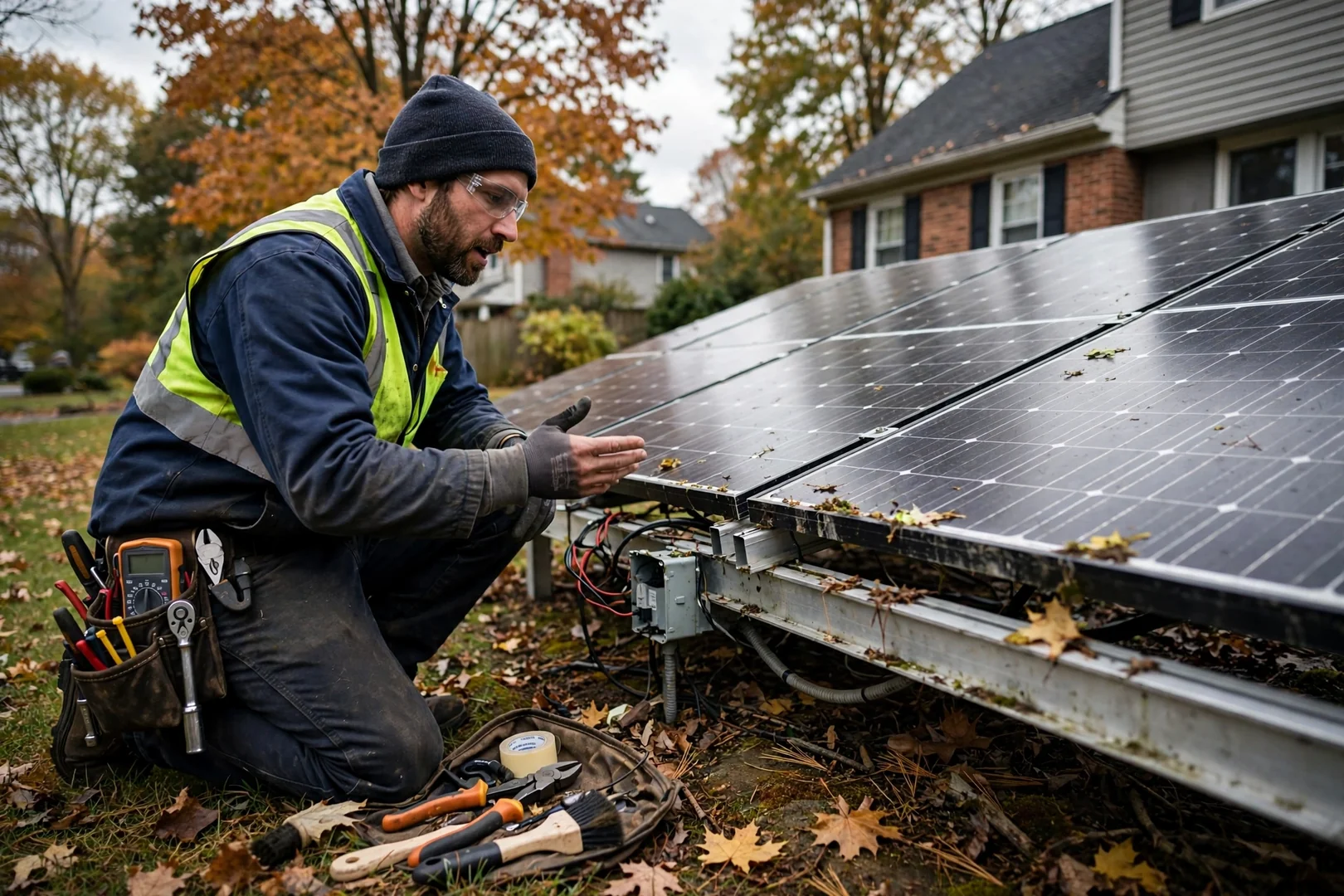
Solar Service Across Wayne and Nearby Areas
Coverage extends throughout Wayne, from the northern residential pockets to the commercial corridors near the southern end of town, along with adjoining Passaic County communities. Residential rooftops, ground-mounted arrays on larger lots, and commercial installations on flat membrane roofs are all handled by the same crews. Knowing the local property stock matters, since roof pitch, deck age, and shading from mature oaks change how racking layout and string sizing are planned.
Terrain and drainage vary noticeably across Wayne, which affects footing depth for ground mounts and conduit routing on sloped parcels. Winter ice loading and summer humidity are factored into hardware selection and inspection intervals. Familiar ground produces cleaner results.